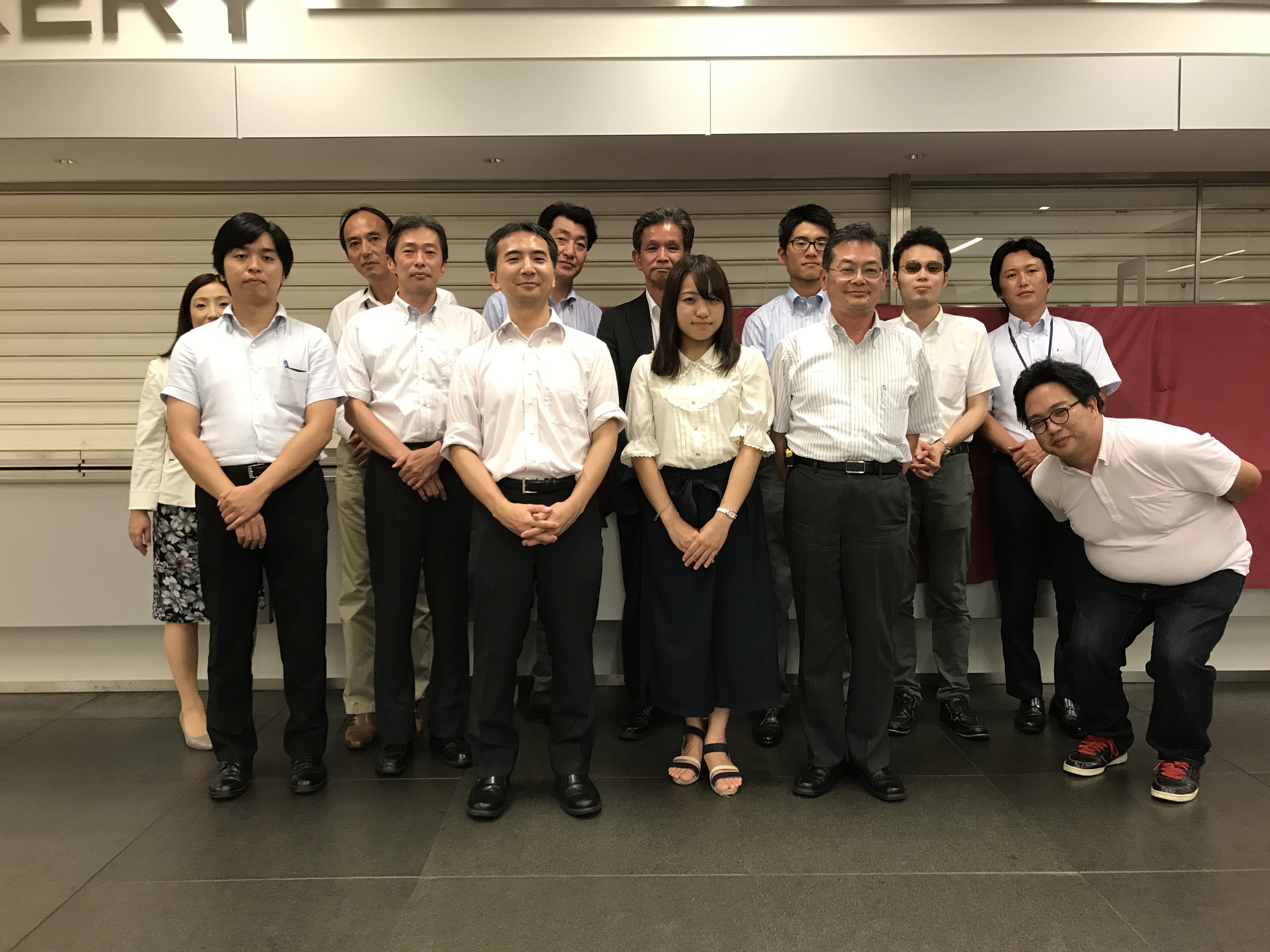
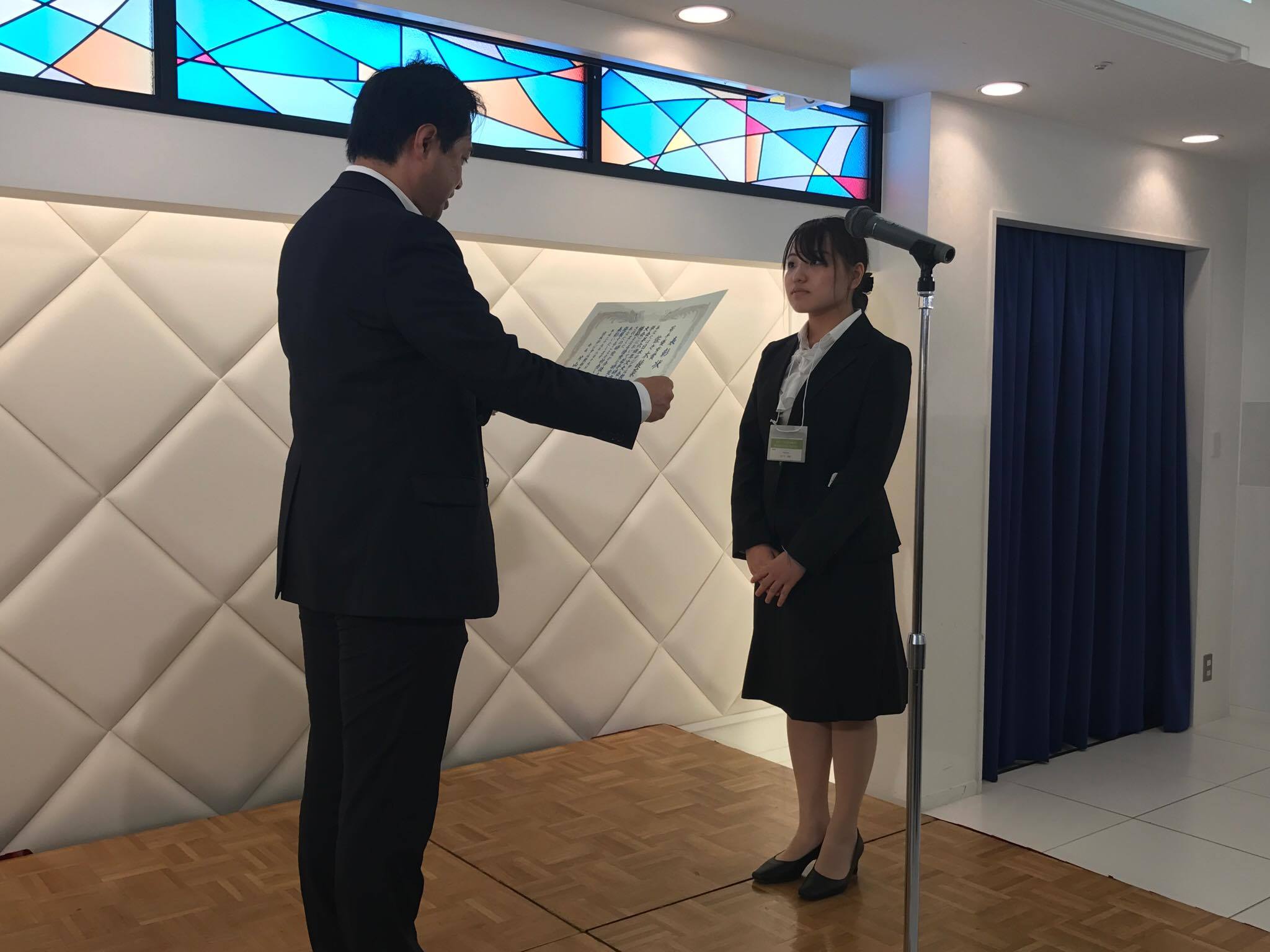
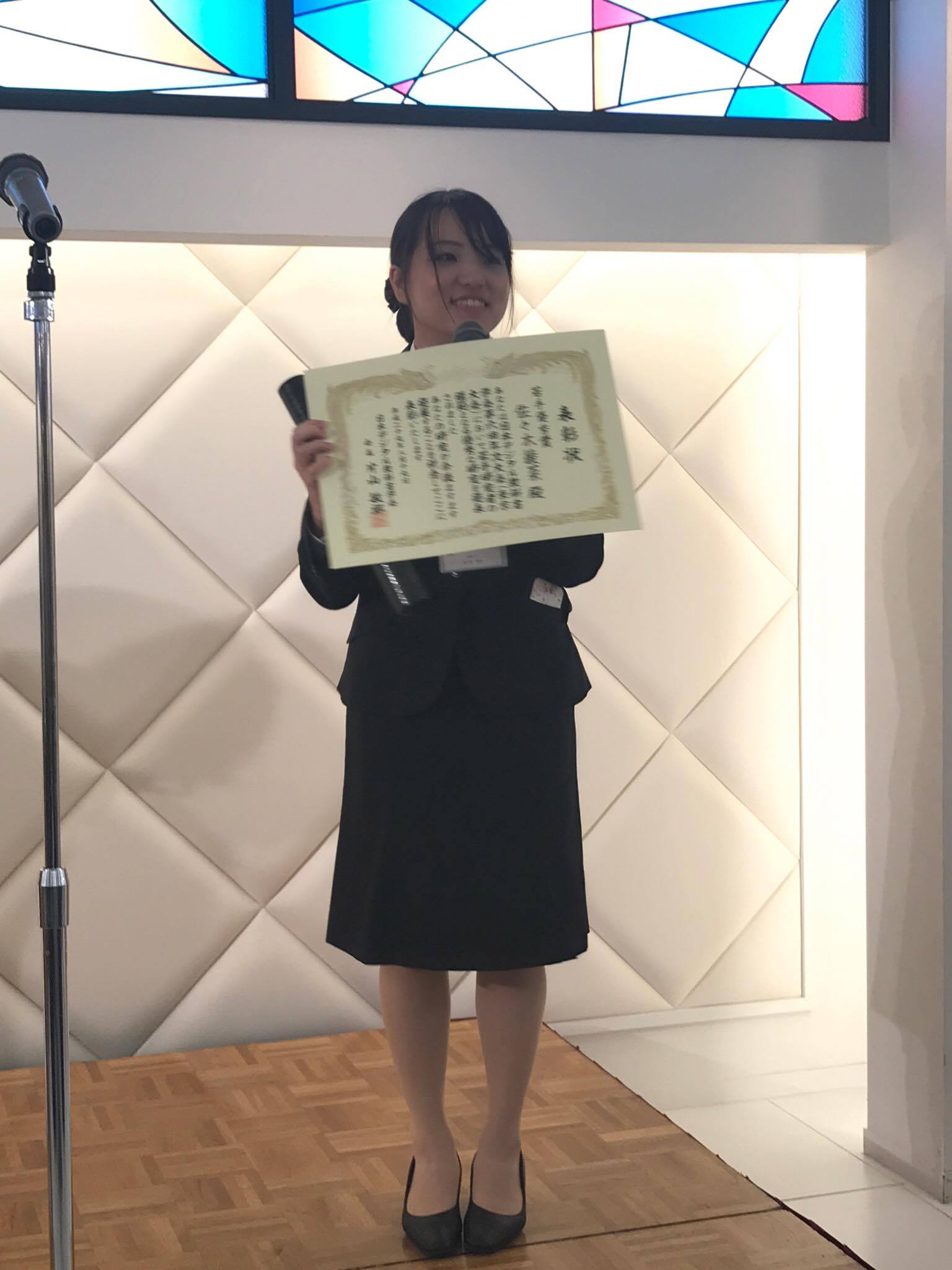
Hironori Washizaki, Computer Research Contribution Award, Asia Pacific Society for Computing and Information Technology (APSCIT), 2016.
カテゴリー別アーカイブ: 未分類
Prof. Washizaki gave a keynote titled “Recovery of Traceability Links and Behavior Models for Software Maintenance” at 2016 International Conference for Top and Emerging Computer Scientists (IC-TECS 2016), Taipei, Dec 24, 2016.
Hironori Washizaki, Recovery of Traceability Links and Behavior Models for Software Maintenance, Keynote, 2016 International Conference for Top and Emerging Computer Scientists (IC-TECS 2016), Taipei, Dec 24, 2016.
Washizaki lab. will host AsianPLoP 2017 on Mar 12-13.
*Call for Papers*
AsianPLoP 2017 6th Asian Conference on Pattern Languages of Programs
http://asianplop.org/
at Waseda University, Tokyo, Japan, March 12-13, 2017
(collocated with ICST 2017, IWESEP 2017 and IPSJ/SIGSE meeting)
———————————————————————
*Important Dates*
Paper submission due: January 15, 2017 AoE (Anywhere on Earth)
Shepherding begins: January 7, 2017 (First come, first served basis)
Shepherding ends: February 13, 2017
Acceptance notification: February 20, 2017
Author registration due: March 5, 2017
Final version for Writer’s Workshop due: March 5, 2017
Main conference: March 12-13, 2017
Pre-conference socials: March 11 or 12, 2017 (TBD)
IPSJ holds 5th AI Programming Contest SamurAI Coding 2016-17. Submit your AI program to win the game! Due: Feb 11
情報処理学会 国際 人工知能プログラミングコンテスト: SamurAI Coding 2016-17 エントリ募集始まりました!上位入賞者には賞金贈呈予定。今年で5回目。締め切り2月12日20:59日本時間。ぜひ挑戦ください。
An Interactive Web Application Visualizing Memory Space For Novice C Programmers, accepted at ACM SIGCSE 2017 (CORE Rank A) as poster.
Ryosuke Ishizue, Kazunori Sakamoto, Hironori Washizaki, Yoshiaki Fukazawa, “An Interactive Web Application Visualizing Memory Space For Novice C Programmers,” 48th ACM Technical Symposium on Computer Science Education (SIGCSE 2017), poster, March 8 – 11, 2017, Seattle, Washington, USA (to appear)(CORE Rank A)(acceptance rate 34.5% = 48/139)
The concept of memory management in C programming language is particularly challenging for novice programmers. Consequently, many researchers have proposed program visualization tools to alleviate these difficulties: for example, SeeC is one of the state-of-the-art tools for visualizing the behavior and execution status of C programs. However, three problems (P1–3) remain in SeeC, as well as in other existing visualization tools. P1 (Usability): SeeC requires many steps to revisualize modified source code. P2 (Capability): SeeC does not fully support dynamic memory allocation. P3 (Installability): novice programmers often find installation of SeeC challenging due to its dependency on Clang. We propose a new visualization tool named PlayVisualizerC (PVC) for novice C programmers, which provides three solutions (S1–3) for P1–3. S1: PVC reduces the steps required for revisualization. S2: complete support for dynamic memory allocation. S3: designed to be installed in the user’s web browser. From a small-scale experiment and a questionnaire given to 20 students, we found that a set of four programming tasks were solved 1.8 times faster and 24% more correctly using PVC.
IPA SEC journal 2017年3月号掲載予定 GQM+Strategiesによる組織目標と戦略の整合化および目標定量管理の実践と拡張
鷲崎弘宜、新谷勝利、青木耀平、志村千万輝、“GQM+Strategiesによる組織目標と戦略の整合化および目標定量管理の実践と拡張 – SEC WGおよび早稲田大学ゴール指向経営研究会の活動より”, IPA SEC journal, 2017年3月 (掲載予定)
IPA/SECにおいては2007年10月から、フラウンホーファー研究機構実験的ソフトウェアエンジニアリング研究所(IESE)と共同でGQM+Strategies(目標・質問・メトリクス+戦略)の研究に取り組んできた。GQM+Strategiesは、組織のあらゆる箇所や階層において目標と戦略を、定量管理可能な形で整合させ、改善させ続ける手法である。IESEの名称が「実験的」と冠するように、SECとの取り組みにおいて企業における複数回の実践を経て手法の洗練化が図られた。また、一般へと展開すべく、SECにおけるWG(作業部会)にて教材を作成し、SEC主催セミナーを実施している。さらに2013年4月からは、活動主体を早稲田大学グローバルソフトウェアエンジニアリング研究所・ゴール指向経営研究会に移行させて、さらなる研究、実践、教育・普及に取り組んでいる。具体的には、GQM+Strategiesにおいて作業成果の質が分析者の経験や観点に大きく依存するため、その改善と発展を意図した様々な手法を研究し、企業における適用を経て有効性を確認している。本稿では研究成果を中心としてゴール指向経営研究会の活動を紹介するとともに、システムズエンジニアリングの観点からGQM+Strategiesを解説する。なお、SECにおけるWG活動成果についてはSECジャーナルの過去の解説 [1][2]を参照されたい。
G7 PROGRAMMING LEARNING SUMMITを早稲田大学にてフジテレビKIDS、D2Cほかと共同開催
プログラミング学習・教育ツールの展示体験ならびに調査研究イベント G7 PROGRAMMING LEARNING SUMMITを早稲田大学にてフジテレビKIDS、D2Cほかと共同開催し、約600名の大変多くのご来場をいただきました。多くのご参画、ご支援、ご参加をいただき有難うございました。趣旨説明についてぜひ下記をご参照ください。また多くの取材報道をいただいています。有難うございます。
- 日本経済新聞, 教育用ゲーム、早大が競技会 小学生対象 プログラミング理解度など測定, 2016年10月6日
- 技術評論社 gihyo.jp, PyCon JP 2016カンファレンスレポート 1日目オープニング,Jessica McKellar氏基調講演,鷲崎弘宜氏,Seiya Tokui氏の招待講演,注目セッションからLTまで, 2016年10月11日
- リセマム, 世界各国のプログラミング学習ツールを体験、早大11/12, 2016年10月19日
- Yahooニュース, 世界各国のプログラミング学習ツールを体験、早大11/12, 2016年10月19日
- こどものミライ委員会 こどものミライβ, プログラミング学習教材に特化したワークショップ&体験型展示会 「G7プログラミングラーニングサミット」開催決定!, 2016年10月19日
- フタバゼミ ニュース, 早大イベント、次世代型プログラミング学習ツールを体験, 2016年10月22日
- ICT教育ニュース、早稲田大とフジテレビKIDS「G7プログラミングラーニングサミット」11月開催、2016年10月24日
- いこーよ, G7プログラミングラーニングサミットの基本情報, 2016年11月10日
- リセマム, マイクラ教育版の参加決定、子ども向けプログラミングサミット11/12, 2016年11月9日
- 日本経済新聞, 《ビジョン》鷲崎弘宜所長 データ+経験則 社会を変えたい, 2016年11月2日
- 日本経済新聞, 早大グローバルソフトウェアエンジニアリング研 未来の開発者育成探る, 2016年11月2日
- 日経トレンディ別冊「文系の親でもゼロからわかるプログラミング」、早稲田大学グローバルソフトウェアエンジニアリング研究所およびフジテレビKIDSによる調査結果への言及、2016年10月31日
- INTERNET Watch, 小学生向けにプログラミング学習ツールの体験会、11月12日に早稲田大学で開催, 2016年11月10日
- リセマム,世界のプログラミング教育ツールを検証、G7Programming Learning Summit2016, 2016年11月14日
- Yahooニュース, 世界のプログラミング教育ツールを検証、G7Programming Learning Summit2016, 2016年11月14日
JEITA組込み系ソフトウェア・ワークショップ2016にて鷲崎教授が基調講演「ソフトウェアエンジニアリングの全体とIoT時代のモデリングおよび関連する品質」
鷲崎弘宜、ソフトウェアエンジニアリングの全体とIoT時代のモデリングおよび関連する品質、基調講演、JEITA組込み系ソフトウェア・ワークショップ2016、2016年11月11日
SamurAI Coding 2016-17 has been supported by Kayamori Foundation of Informational Science Advancement 栢森情報科学振興財団 助成採択
IPSJ SamurAI Coding 2016-17 (Director: Prof. Washizaki) has been supported by Kayamori Foundation of Informational Science Advancement.
IPSJ SamurAI Coding 2016-17(代表: 鷲崎)について栢森情報科学振興財団による開催助成に採択されました。有難うございます。
Impact of Using a Static-type System in Computer Programming accepted at IEEE HASE 2017 student session (CORE Rank B)
Harlin Ismail Rizky, Hironori Washizaki and Yoshiaki Fukazawa, “Impact of Using a Static-type System in Computer Programming,” 18th IEEE International Symposium on High Assurance Systems Engineering (HASE 2017), student session, January 12 – 14, 2017, Singapore (to appear)
Static-type systems are a major topic in programming language research and the software industry. Static-type systems should reduce the development time and increase the code quality. Additionally, they are predicted to decrease the number of defects in a piece of code due to early error detection. However, there are only a few empirical experiments on the possible benefits of the static-type system in programming activities. This paper describes an experiment that tests whether static-type systems help developers create solutions for certain programming tasks. The results indicate that although the existence of a static-type system has no positive impact when subjects code a program from scratch, it does allow more errors in program debugging to be fixed.